Everest Base Camp: why this journey was more than a trek
“If you walk slowly enough, the mountain will show you who you are.”
Everest Base Camp is often spoken about in numbers — altitude, kilometres, days. For me, it wasn’t about the summit. It was a journey that stripped away comfort, certainty, and distraction. What remained was attention, fear, resilience, and a deep, quiet connection with the land.
I didn’t just walk to Base Camp. I listened. I learned from people who live where survival is daily life. And somewhere between the forests of Phakding and the silence of Gokyo, I met myself.
Day 1–2
Leaving without permission
This journey began before the mountains — it began with doubt. On August 14, I left home without my family’s permission. We reached Thrissur, bought gear, and felt ready.
But inside, I was not. My grandmother was critically ill. The guilt was heavy. At the station, watching the train to Nepal, my mind whispered: “This is not right.”
I told Shafeel everything. We cried. We let the train leave without us. That day, we learned what failure feels like. We went back home.
Day 3
Return with permission
One week later, everything changed. My grandmother improved. My father handed me ₹5000 and said quietly: “Go safely.”
On August 22, we returned to the same station. Same bags. But this time — permission, peace, and readiness.
It was the moment I understood that travelling is not escape — it is responsibility.
Border, failure & Kathmandu
The train journey took three days. We met a stranger named Faiz who was also heading to Everest. It felt like a sign.
But at the border, we were stopped — Covid restrictions. Would we fail again? No. We stayed overnight, got cheated by a fixer, lost money. Still, we crossed. By night, we reached Kathmandu — tired, shaken, but inside Nepal.
Thamel & preparation
Thamel is the heart of trekking culture. We bought missing gear, met other trekkers, and shared stories. In the evening, at Swayambhunath, the smell of incense and the sound of prayer flags hit me. This didn’t feel like tourism. It felt like arrival.
First trek days
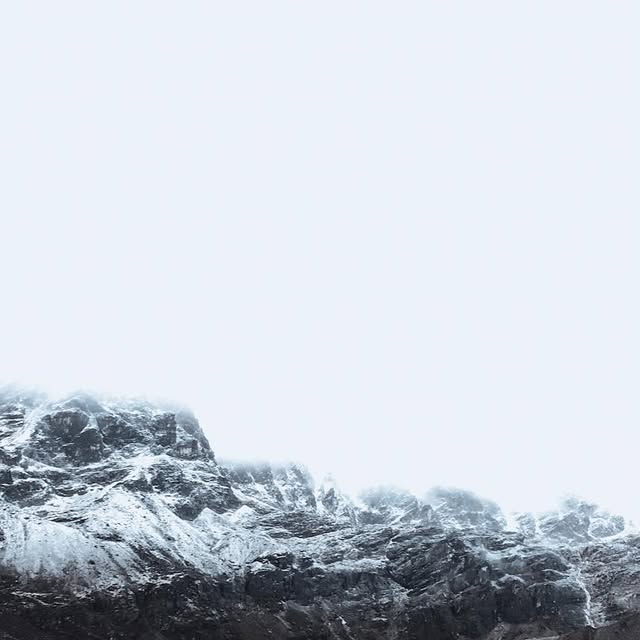
The mountain decides your pace. We learned this quickly, walking through mist and rain. We separated from a fast guide to find our own rhythm. By the time we reached Phakding, the Himalayas weren’t scenery anymore — they were presence.
No phone, only mountains
My phone was gone. So was distraction. We cooked by rivers, crossed the Hillary Suspension Bridge, and entered Sagarmatha National Park. In small guesthouses, we connected with people. We sang, cooked, and danced. This was not trekking. This was human connection inside nature.
Everest Base Camp — joy & loss
At Gorakshep, we heard the news: Shafeel’s grandmother had passed away. I called home. My father said, “Pray for her. Don’t return now. This is fate.”
We walked to Base Camp with heavy hearts. Standing there, I smiled for the photo but grieved inside. Life doesn’t separate joy and loss. They arrive together.
Cho La Pass & Gokyo
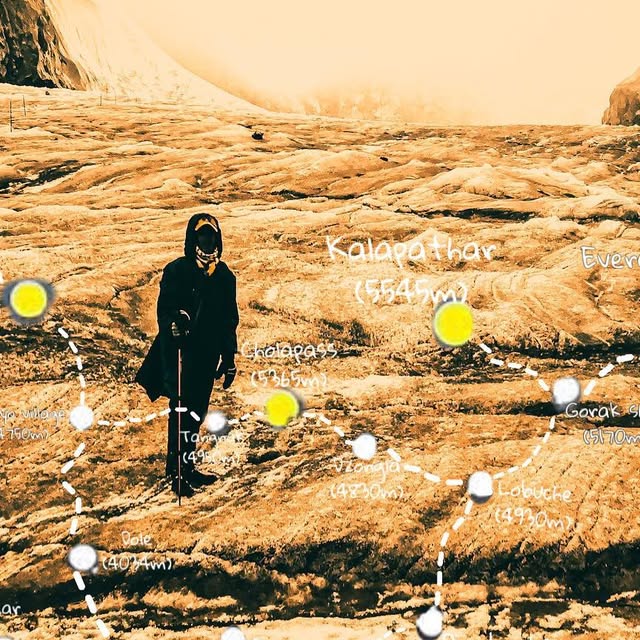
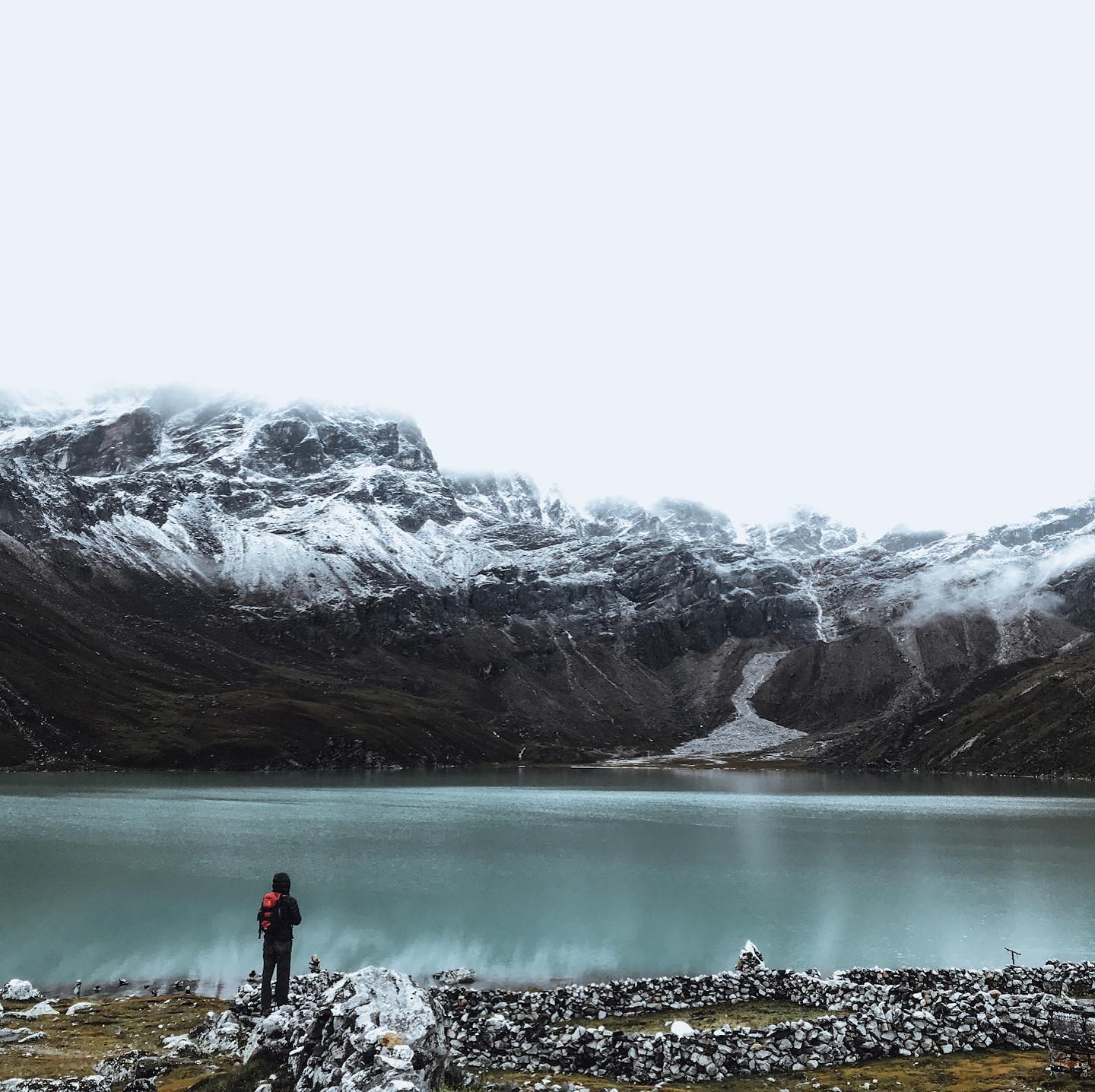
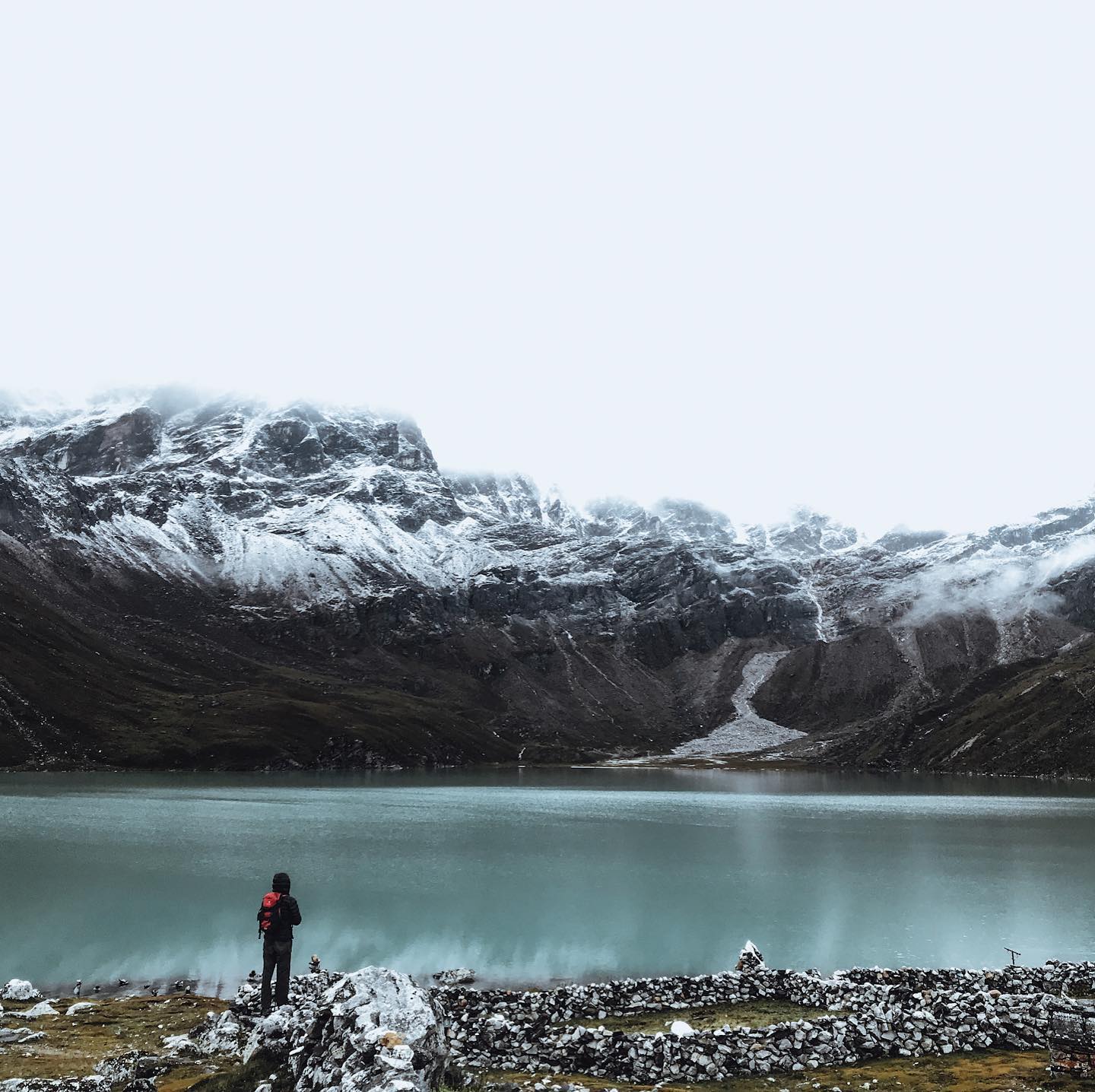
We chose the harder route back — Cho La Pass. Just us, one torch, biscuits, and a black dog that followed us across glaciers. At Gokyo, surrounded by blue lakes, silence became a teacher.
The way back
The return was long. Local buses, no phone, strangers feeding me when I had no money. When I reached home, I was the same person — but with a different inner world.
What Everest taught me
Nature shapes human behaviour.
Slowness is intelligence.
Survival creates humility.